
Commercial Real Estate Buyer Representation
Commercial Property Acquisition Advisory for Business Owners and Owner-Users
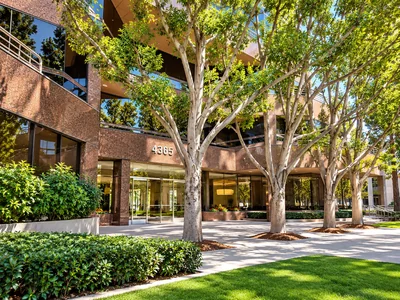
Shelton & Associates provides commercial real estate buyer representation for businesses and owner-users purchasing office, industrial, warehouse, medical, R&D, flex and other commercial properties.
As a commercial real estate buyer representative, we help clients identify properties, evaluate acquisition opportunities, analyze comparable sales, negotiate purchase terms, and navigate due diligence through closing. Our objective is to protect the buyer’s interests while helping determine whether a property supports the company’s operational, financial and long-term real estate objectives.
For businesses deciding between purchasing and leasing, we can also compare the economics and strategic considerations of buying a commercial property against renewing an existing lease or relocating to another leased location.
Considering Purchasing a Commercial Property?
Start with a clear acquisition strategy before approaching sellers or committing to a property. We can help you define your requirements, evaluate purchase opportunities and negotiate from an informed position.
Commercial Properties We Help Buyers Acquire
🔹Office Buildings & Commercial Condominiums
🔹 Industrial, Warehouse & Flex Properties
🔹Medical & Healthcare Properties
🔹Owner-User Commercial Real Estate

Commercial Real Estate Buyer Representation Services
Shelton & Associates provides commercial real estate buyer representation throughout the acquisition process, including property identification, market analysis, comparable sales review, purchase negotiation, due diligence coordination, financing and escrow support, and representation through closing.

Commercial Property Search & Acquisition Strategy
Define location, size, property type, budget, operational requirements and acquisition objectives; identify listed properties and potential off-market opportunities.

Property Valuation & Comparable Sales Analysis
Evaluate asking prices, recent comparable sales, property condition and market conditions to help establish an appropriate negotiating strategy.

Purchase Negotiation
Prepare purchase agreements and offer strategy, and negotiate purchase price, deposits, contingency periods, closing timelines, seller obligations and other business terms.

Due Diligence & Closing Coordination
Assist with the acquisition process involving inspections, environmental review, title, appraisal, financing, property issues, credits and transaction coordination through closing.
Should Your Business Buy or Lease Commercial Real Estate?
For many businesses, the first decision is not which property to purchase, but whether purchasing is the right strategy at all.
We help businesses compare three alternatives: renewing their existing lease, relocating to another leased property, or purchasing commercial real estate. The analysis can consider occupancy costs, available capital, financing, expected holding period, growth requirements, operational flexibility and long-term ownership objectives.
How Commercial Real Estate Buyer Representation Works
1. Establish Acquisition Requirements
2. Search the Market and Identify Opportunities
3. Evaluate Properties and Comparable Sales
4. Structure and Negotiate the Offer
5. Conduct Due Diligence
6. Coordinate Financing, Escrow and Closing
Why Businesses Choose Shelton & Associates for Commercial Real Estate Buyer Representation

Buyer-Focused Representation
Our commercial real estate buyer representation services are designed to protect buyers throughout the acquisition process. We help identify suitable properties, evaluate comparable sales and market value, structure and negotiate purchase terms, coordinate due diligence, and work with lenders, escrow, attorneys, and other professionals through closing.
Over 25 Years of Commercial Real Estate Experience
With more than 25 years of commercial real estate experience and over $1 billion in completed transactions, Shelton & Associates brings seasoned acquisition expertise to every assignment. We help buyers evaluate opportunities, understand market value, identify potential risks, negotiate favorable purchase terms, and navigate due diligence through closing.
Market and Transaction Analysis
We analyze comparable sales, current listings, recent transactions, market trends, and competing acquisition opportunities to help determine a property’s market value and negotiating position. This analysis gives buyers a stronger basis for evaluating pricing, structuring an offer, and avoiding overpaying for commercial real estate.
Representation From Property Search Through Closing
Shelton & Associates represents commercial real estate buyers throughout the entire acquisition process, from defining property requirements and identifying opportunities to negotiating the purchase agreement and coordinating due diligence.
We help evaluate comparable sales, property condition, zoning and use considerations, financing requirements, environmental issues, title matters, inspections, and other transaction risks. We also coordinate with lenders, escrow, attorneys, inspectors, and other professionals to help keep the acquisition moving toward a successful closing.
Frequently Asked Questions About Commercial Real Estate Buyer Representation
What does a commercial real estate buyer representative do?
A commercial real estate buyer representative advises and represents the buyer throughout the acquisition process. That typically includes defining property requirements, identifying listed and off-market opportunities, evaluating comparable sales and market value, touring properties, preparing and negotiating offers, reviewing business terms, coordinating due diligence, and helping manage the transaction through escrow and closing. The buyer representative’s role is to advocate for the buyer’s interests rather than the seller’s.
Why should I use a commercial real estate buyer broker?
A buyer broker can help you avoid overpaying, identify risks earlier, and negotiate from a stronger position. Commercial real estate purchases often involve issues beyond price, including zoning, property condition, environmental concerns, financing, title, occupancy, tenant leases, operating costs, and future resale considerations. An experienced buyer representative helps organize those issues, compare alternatives, and structure the acquisition around your business and financial objectives.
Who pays the commercial real estate buyer's broker?
In most commercial lease transactions, there is no additional brokerage fee paid by the tenant. The landlord typically has a listing broker and a brokerage commission has already been established for the transaction. When Shelton & Associates represents the tenant, the listing side typically shares that commission with the tenant’s broker. Learn more about Compensation
How do I find commercial property for sale?
Commercial properties can be found through brokerage databases, listing platforms, broker relationships, ownership records, direct outreach, and off-market prospecting. A buyer representative can search the active market while also contacting owners of properties that are not publicly listed. For many buyers, especially those with specific location, size, parking, zoning, or owner-user requirements, off-market outreach can materially expand the number of viable opportunities.
Should my business buy or lease commercial real estate?
The right choice depends on your capital, growth plans, expected length of occupancy, financing options, tax considerations, and the availability of suitable properties. Buying can provide control, long-term occupancy stability, potential appreciation, and the ability to build equity. Leasing generally requires less upfront capital and offers greater flexibility. A proper analysis should compare the total economic cost of both options rather than simply comparing a mortgage payment to rent.
How much money do I need to purchase a commercial building?
The amount depends on the purchase price, loan structure, property type, borrower strength, and whether the property will be owner-occupied or investment real estate. Buyers should budget not only for the down payment, but also for closing costs, lender fees, inspections, environmental reports, appraisal, legal costs, reserves, and any immediate repairs or improvements. Conventional commercial financing often requires a larger equity contribution than SBA financing, although every transaction is different.
Can SBA financing be used to buy commercial real estate?
Yes. SBA financing is commonly used by qualifying businesses to purchase owner-occupied commercial real estate. Programs such as SBA 7(a) and SBA 504 loans can offer lower equity requirements and longer amortization than many conventional commercial loans. The property must generally be used primarily by the operating business, and occupancy requirements, borrower eligibility, loan limits, and underwriting standards apply. Buyers should involve an SBA lender early so financing requirements can be incorporated into the purchase strategy and contract.
What is an owner-user commercial property?
An owner-user property is commercial real estate purchased primarily for occupancy by the buyer’s own business rather than solely as an investment. Examples include a medical practice buying its office, a manufacturer purchasing an industrial building, or a professional firm acquiring an office building for its own operations. Owner-user acquisitions can provide long-term control over occupancy costs while also allowing the business owner to build equity in the real estate.
How do you determine the value of a commercial property?
Commercial property value is typically evaluated using several approaches, including comparable sales, income capitalization, replacement cost, and current market conditions. For owner-user properties, comparable sales and the cost of alternative properties are often especially important. For investment properties, rental income, expenses, capitalization rates, tenant credit, lease terms, and future rollover risk can have a major impact on value. A buyer should analyze the property independently rather than relying solely on the seller’s asking price.
What due diligence is needed when buying commercial real estate?
Due diligence should verify both the physical condition of the property and whether it can legally and economically support the buyer’s intended use. Depending on the transaction, this may include building inspections, roof and HVAC reviews, environmental investigations, title review, zoning confirmation, survey, accessibility review, utility capacity, parking, structural issues, tenant leases, operating statements, service contracts, permits, and code compliance. Financing, insurance, and appraisal should also be coordinated during the due diligence period.
What is a Phase I Environmental Site Assessment?
A Phase I Environmental Site Assessment is an investigation used to identify potential environmental concerns associated with a commercial property. The consultant reviews historical property uses, environmental databases, regulatory records, surrounding properties, and current site conditions. A Phase I generally does not include soil or groundwater testing. If potential concerns are identified, the consultant may recommend further investigation, such as a Phase II assessment, soil testing, groundwater testing, or indoor air testing.
How long does it take to purchase commercial real estate?
A commercial real estate acquisition commonly takes approximately 45 to 90 days after an agreement is reached, although more complicated transactions can take longer. Timing depends on financing, appraisal, environmental review, inspections, title work, lender requirements, and negotiations over due diligence findings. SBA-financed transactions, properties requiring substantial investigation, or acquisitions involving zoning or occupancy issues may require additional time.
Can you help identify off-market commercial properties?
Yes. Off-market prospecting can be particularly valuable when a buyer has a narrow geographic requirement or when few suitable properties are publicly listed. We can identify target properties, research ownership, contact owners and brokers, and determine whether an owner may consider selling even if the property is not currently marketed. Off-market opportunities are not guaranteed, but they can materially expand the search beyond traditional listings.
Can you represent a business considering both leasing and purchasing?
Yes. Many businesses should evaluate both options before committing to a real estate strategy. We can compare suitable lease opportunities with properties available for purchase and help analyze occupancy cost, required capital, flexibility, financing, long-term control, and potential equity creation. This allows the business to make the decision based on its operational and financial objectives rather than assuming that leasing or buying is automatically the better choice.


Commercial Real Estate Buyer Representation Markets
Shelton & Associates provides commercial real estate buyer representation across major business markets, helping companies evaluate acquisition opportunities based on local property values, availability, operating requirements and long-term real estate strategy.
California
- San Diego
- Orange County
- Los Angeles
- Inland Empire
- Silicon Valley
- San Francisco
- Sacramento
Start Your Commercial Property Search With a Buyer Representative
Whether you are actively searching for a commercial building or evaluating whether ownership makes sense for your business, Shelton & Associates can help you establish a strategy, evaluate opportunities and negotiate the acquisition.
Schedule a consultation to discuss your property requirements, target markets, timing and acquisition objectives.
Related Commercial Real Estate Services
-
Commercial Real Estate Buyer Representation
-
Buying vs. Leasing Commercial Real Estate
-
Commercial Lease Renewal
-
Office Tenant Representation
-
Industrial Tenant Representation
-
Medical Office Tenant Representation

Ready to negotiate from strength?
Schedule a free consultation today and discover how tenant-only representation protects your interests and improves your bottom line.
If your lease is coming up, start with a lease renewal strategy review before signing a new lease.