
Home > Markets > Inland Empire > Ontario Industrial Space
Ontario Industrial Space for Lease | Warehouse Tenant Broker
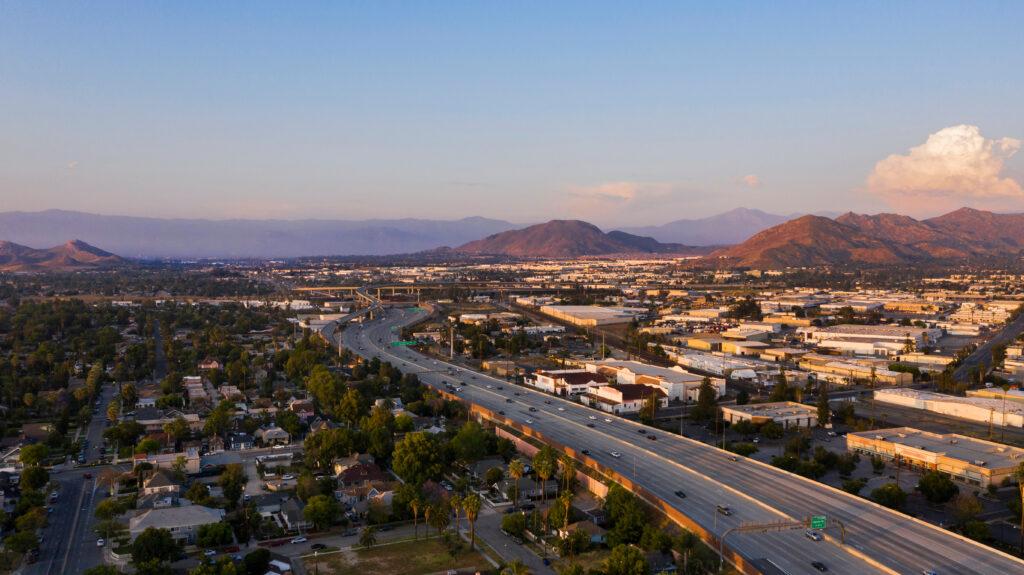
Ontario Industrial Space for Lease and Tenant Representation
Ontario industrial space for lease includes warehouse, distribution, logistics, manufacturing, flex, and industrial outdoor storage properties serving companies throughout the Inland Empire. With access to Ontario International Airport, I-10, I-15, SR-60, nearby rail corridors, and the broader Southern California logistics network, Ontario is one of the most important industrial markets in Southern California.
Shelton & Associates represents tenants evaluating industrial and warehouse space in Ontario, CA. We help companies compare available properties, evaluate total occupancy costs, negotiate lease terms, and determine whether renewing, relocating, expanding, or consolidating makes the most sense.
Unlike many commercial real estate brokers, we represent tenants only. We do not list buildings or represent landlords, which allows our advice to remain focused on the tenant’s business objectives, occupancy costs, and long-term flexibility.
Need Help Evaluating Ontario Industrial or Warehouse Space?
Before committing to a lease, compare the economics, functionality, and negotiating leverage of your options.
Shelton & Associates helps tenants evaluate Ontario industrial space, warehouse space, lease renewals, relocations, expansions, and new lease negotiations.
Inland Empire / Ontario: (909) 321-6597
Ontario Industrial Broker for Tenants
An Ontario industrial broker should do more than send listings. Industrial tenants need help evaluating how each building affects operations, cost, logistics, employees, customers, and future growth.
Shelton & Associates helps tenants compare industrial buildings based on both lease economics and building functionality. Important issues include clear height, loading, truck access, power, sprinkler systems, office buildout, yard area, trailer parking, operating expenses, lease term, renewal options, and expansion rights.
Because we represent tenants only, our role is to help you create leverage, compare alternatives, and negotiate terms that support your business, not the landlord’s leasing objective.
Ontario Warehouse Broker for Lease Negotiation
Warehouse space in Ontario serves logistics, distribution, e-commerce, manufacturing, storage, service, and regional supply chain users. However, not every warehouse building works for every tenant.
A tenant evaluating Ontario warehouse space should review:
• Clear height
• Dock-high loading
• Grade-level loading
• Truck court depth
• Trailer parking
• Yard and circulation
• Sprinkler system
• Power capacity
• Office percentage
• Freeway access
• Employee parking
• Operating expenses
• Expansion options
• Lease flexibility
The lowest quoted rent is not always the best deal. A building with poor loading, limited truck access, insufficient power, excessive office buildout, or high operating expenses may cost more over the lease term than a better-located, more functional alternative.

Ontario Warehouse Space for Lease
Ontario warehouse space for lease includes small-bay warehouse units, mid-size distribution buildings, larger logistics facilities, flex buildings, and modern Class A warehouse developments. Companies often evaluate Ontario because of its access to the Inland Empire labor base, Ontario International Airport, the I-10 corridor, I-15, SR-60, and nearby Southern California population centers.
Warehouse tenants should compare Ontario against nearby Inland Empire alternatives such as Rancho Cucamonga, Fontana, Chino, Chino Hills, Eastvale, Jurupa Valley, Mira Loma, Pomona, Upland, and Montclair. In some cases, a nearby submarket may provide better rent, better building functionality, or stronger landlord concessions.
Types of Industrial Space in Ontario
Industrial space in Ontario may include:
• Warehouse space
• Distribution space
• Logistics facilities
• Manufacturing space
• Flex industrial space
• R&D / light industrial space
• Industrial outdoor storage
• Trucking and transportation-related facilities
• Corporate industrial headquarters
• Last-mile and regional distribution buildings
Each type of industrial space has different lease and operational considerations. A manufacturing tenant may care more about power, ventilation, equipment layout, and loading. A distribution tenant may focus on clear height, dock doors, trailer parking, truck circulation, and freeway access. A flex user may need a more balanced mix of office, warehouse, parking, and employee access.
Ontario Industrial Space Submarkets and Nearby Alternatives
| Area | Common Industrial Uses | Tenant Considerations |
|---|---|---|
| Ontario | Warehouse, logistics, distribution, manufacturing, flex | Airport access, freeway access, building size, loading, operating expenses |
| Ontario Airport Area | Distribution, logistics, air cargo-related users | Proximity to ONT, truck access, larger warehouse options |
| Rancho Cucamonga | Warehouse, distribution, corporate industrial | I-10 / I-15 access, business park image, availability |
| Fontana | Large warehouse, logistics, trucking, distribution | Larger buildings, truck access, yard, trailer parking |
| Chino / Chino Hills | Warehouse, flex, light industrial, distribution | Access to Orange County, LA County, and Inland Empire customers |
| Eastvale / Jurupa Valley / Mira Loma | Logistics, distribution, e-commerce, big-box industrial | Large-format buildings, truck routes, regional distribution |
| Upland / Montclair / Pomona | Smaller industrial, flex, service users | Infill location, smaller bay options, freeway access |
Leasing Industrial Space in Ontario
Before signing an industrial lease in Ontario, tenants should review both the financial terms and the operational terms of the lease. Industrial lease mistakes can be expensive because the building directly affects shipping, receiving, production, storage, employees, customers, and daily operations.
Important lease terms include:
• Base rent
• Annual increases
• NNN expenses, CAM, taxes, and insurance
• Tenant improvement allowance
• Free rent
• Rent commencement date
• Delivery condition
• Loading and truck access
• Power capacity
• HVAC responsibility
• Roof and structural responsibility
• Yard and parking rights
• Permitted use
• Zoning restrictions
• Hazardous materials provisions
• Signage rights
• Renewal options
• Expansion rights
• Assignment and sublease rights
• Restoration obligations at lease expiration
A strong industrial lease should match how the tenant actually operates. The lease should address building access, shipping and receiving, equipment, utilities, parking, signage, operating expenses, and future flexibility. Learn more about commercial lease negotiations.
Ontario Industrial Tenant Representation
Shelton & Associates helps industrial tenants negotiate from a position of leverage. That means evaluating the current building, identifying credible alternatives, comparing total occupancy cost, and creating a strategy before engaging the landlord or committing to a relocation.
We help tenants with:
• Lease renewals
• Relocations
• Expansions
• Consolidations
• New warehouse searches
• Industrial lease negotiations
• Stay-vs.-go analysis
• Operating expense review
• Proposal requests
• Landlord negotiations
• LOI review
• Business term comparison
For renewal situations, tenants should begin early. Waiting until the lease is close to expiration can reduce leverage, limit available alternatives, and make relocation less realistic. Starting early gives the tenant more control over timing, options, and negotiation strategy.
Ontario Industrial Space for Lease vs. Warehouse Space for Lease
Ontario industrial space may include warehouse, distribution, flex, manufacturing, logistics, and industrial outdoor storage. Ontario warehouse space usually refers more specifically to buildings used for storage, distribution, shipping, receiving, or logistics.
Why Tenants Choose Ontario Industrial Space
Ontario is attractive to many industrial users because it provides access to the Inland Empire, Los Angeles Basin, Orange County, the Ports of Los Angeles and Long Beach, regional freeways, Ontario International Airport, and a large Southern California customer and labor base.
The City of Ontario describes the city as part of Southern California’s global logistics network, with access to Ontario International Airport, the Ports of Los Angeles and Long Beach, and major interstate and rail corridors.
For many tenants, Ontario may offer:
• Regional logistics access
• Airport proximity
• Inland Empire distribution advantages
• Larger industrial buildings
• Warehouse and distribution options
• Access to I-10, I-15, and SR-60
• Proximity to Los Angeles, Orange County, and Riverside/San Bernardino markets
• A strong industrial and logistics tenant base
Questions to Ask Before Leasing Ontario Industrial Space
Before signing a lease, tenants should ask:
• Is the building functional for our operation today and in three to five years?
• Are the loading, clear height, power, and truck access adequate?
• What are the total occupancy costs, including NNN expenses?
• Is the landlord offering free rent or tenant improvement allowance?
• What improvements are required before move-in?
• Who is responsible for HVAC, roof, sprinklers, and building systems?
• Are there renewal, expansion, assignment, and sublease rights?
• Are there restoration obligations at lease expiration?
• How does this building compare to other Ontario and Inland Empire options?
• Do we have enough leverage before negotiating with the landlord?
Frequently Asked Questions About Ontario Industrial Space
Does Shelton & Associates represent landlords in Ontario?
No. Shelton & Associates represents tenants only. We do not list buildings or represent landlords. Our role is to help tenants evaluate options, compare total occupancy costs, and negotiate lease terms from the tenant’s perspective.
What should tenants evaluate when comparing Ontario warehouse space?
Tenants should compare clear height, loading, dock doors, grade-level doors, truck court depth, trailer parking, yard, power, sprinkler system, office buildout, operating expenses, lease term, free rent, tenant improvement allowance, and expansion rights.
When should a tenant start looking for Ontario industrial space?
Tenants should start early, especially for larger warehouse, distribution, manufacturing, or logistics requirements. Starting early gives the tenant more time to compare alternatives, negotiate with leverage, plan improvements, and avoid being forced into a rushed renewal or relocation.
What is the difference between Ontario industrial space and Ontario warehouse space?
Industrial space is the broader category and may include warehouse, distribution, logistics, manufacturing, flex, R&D, and industrial outdoor storage. Warehouse space is a type of industrial space typically used for storage, shipping, receiving, distribution, or logistics.
Should I hire an Ontario industrial broker or a tenant representation broker?
A tenant representation broker represents the tenant’s interests in the lease negotiation. Shelton & Associates represents tenants only and does not list buildings or represent landlords, which helps keep the strategy focused on the tenant’s occupancy costs, flexibility, and business objectives.
Inland Empire Industrial Tenant Representation
Shelton & Associates represents tenants evaluating industrial and warehouse space throughout the Inland Empire, including Ontario, Rancho Cucamonga, Fontana, Chino, Eastvale, Jurupa Valley, Mira Loma, Upland, Montclair, and surrounding markets. For tenants comparing Ontario against nearby alternatives, submarket selection can materially affect rent, operating expenses, loading, truck access, building functionality, and long-term lease flexibility.
While this page focuses on Ontario industrial space, Shelton & Associates also provides Inland Empire tenant representation and California tenant representation for companies evaluating office, industrial, warehouse, medical office, and life science/R&D space throughout the state.
We also represent tenants in nearby and related markets, including Orange County tenant representation, Los Angeles tenant representation, and San Diego industrial space for companies comparing multiple Southern California locations.
Need Help Evaluating Ontario Industrial or Warehouse Space?
Visit our Inland Empire Tenant Representation page to learn how we help companies evaluate industrial space, warehouse space, lease renewals, relocations, and lease negotiations throughout Ontario and the Inland Empire.